Keyauth Bypass [ No Survey ]

However, the vast majority of successful bypasses are not because KeyAuth itself is weak. They are because —skipping obfuscation, failing to add HWID lock, or validating the license only once per session.

Anti-debugging techniques (checking for IsDebuggerPresent in Windows, timing checks, int3 breakpoint detection) and code integrity checks. keyauth bypass

By taking proactive steps to secure your applications, you can mitigate the risks associated with KeyAuth bypass attempts and ensure a safer digital environment for your users. However, the vast majority of successful bypasses are

To counter these methods, KeyAuth and similar systems offer "deep" integration features that move logic away from the vulnerable client side: By taking proactive steps to secure your applications,

KeyAuth functions by verifying a user’s license key against a cloud-based server. When a program starts, it sends the key and hardware identifiers (HWID) to the KeyAuth API. If the server validates the data, it sends back an "encrypted" session response, allowing the software to run.

If there are security vulnerabilities in the KeyAuth system or the software using it, these can be exploited to bypass authentication. This could involve manipulating network traffic, exploiting weak encryption, or using leaked or weak keys.
Keyauth Bypass [ No Survey ]

  • Play and organize music
  • Supports WAV, FLAC, WavPack, Ogg Vorbis, Speex, MPC, TrueAudio, AIFF, MP4, MP3, ASF and Monkey's Audio
  • Audio CD playback [*]
  • Native desktop notifications
  • Playlist management and playlists in multiple formats
  • Smart and dynamic playlists
  • Advanced audio output and device configuration for bit-perfect playback on Linux
  • Edit tags on audio files
  • Automatically retrieve tags from MusicBrainz
  • Album cover art from Last.fm, Musicbrainz, Discogs, Musixmatch, Deezer, Tidal and Spotify
  • Lyrics from multiple sources
  • Audio analyzer
  • Audio equalizer
  • Transfer music to mass-storage USB players, MTP compatible devices and iPod Nano/Classic [*]
  • Scrobbler with support for Last.fm and ListenBrainz
  • Streaming support for Subsonic-compatible servers

* Audio CD and device support is not available on Windows.

Keyauth Bypass [ No Survey ]

Strawberry is a music player and music collection organizer. It is aimed at music collectors and audiophiles. With Strawberry you can play and manage your digital music collection, or stream your favorite radios. Strawberry is free software released under GPL. The source code is available on GitHub. Strawberry is a fork of Clementine. It's written in C++ using the Qt framework and GStreamer.

Keyauth Bypass [ No Survey ]

If you enjoy Strawberry, please consider sponsoring the project.
Strawberry is free software, as in freedom, and depends on donations from our users. There are few developers, and most of the development is done by one person. Strawberry has become very popular over the past few years with hundreds of users. Maintaining the application, running all the services, providing releases and dealing with bugs and technical issues is a time-consuming job.

There are currently 4 options for sponsorship:

Monthly donations through Patreon, Ko-fi or GitHub is preferred, but it is also possible to donate once using PayPal.

Keyauth Bypass [ No Survey ]

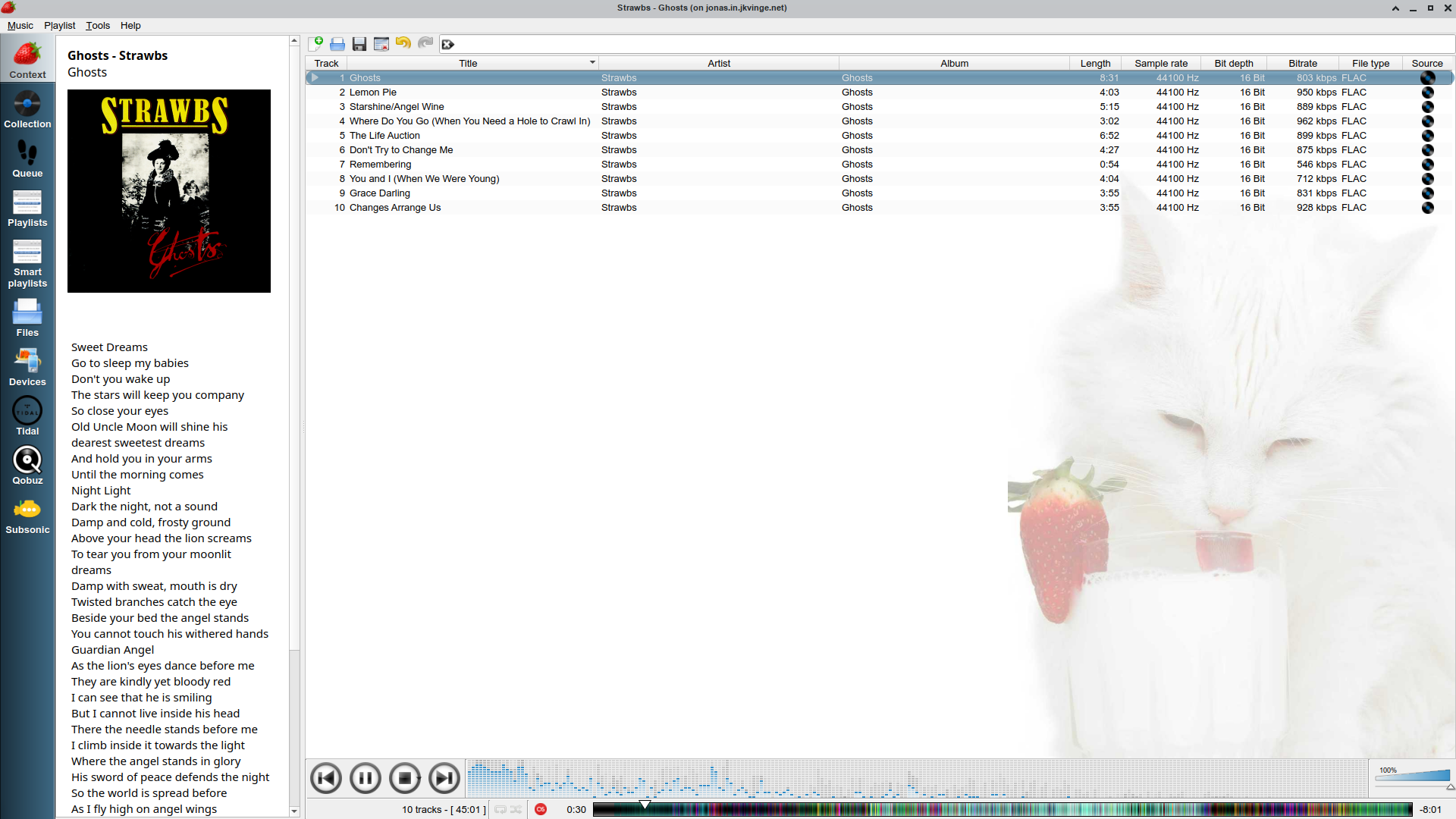
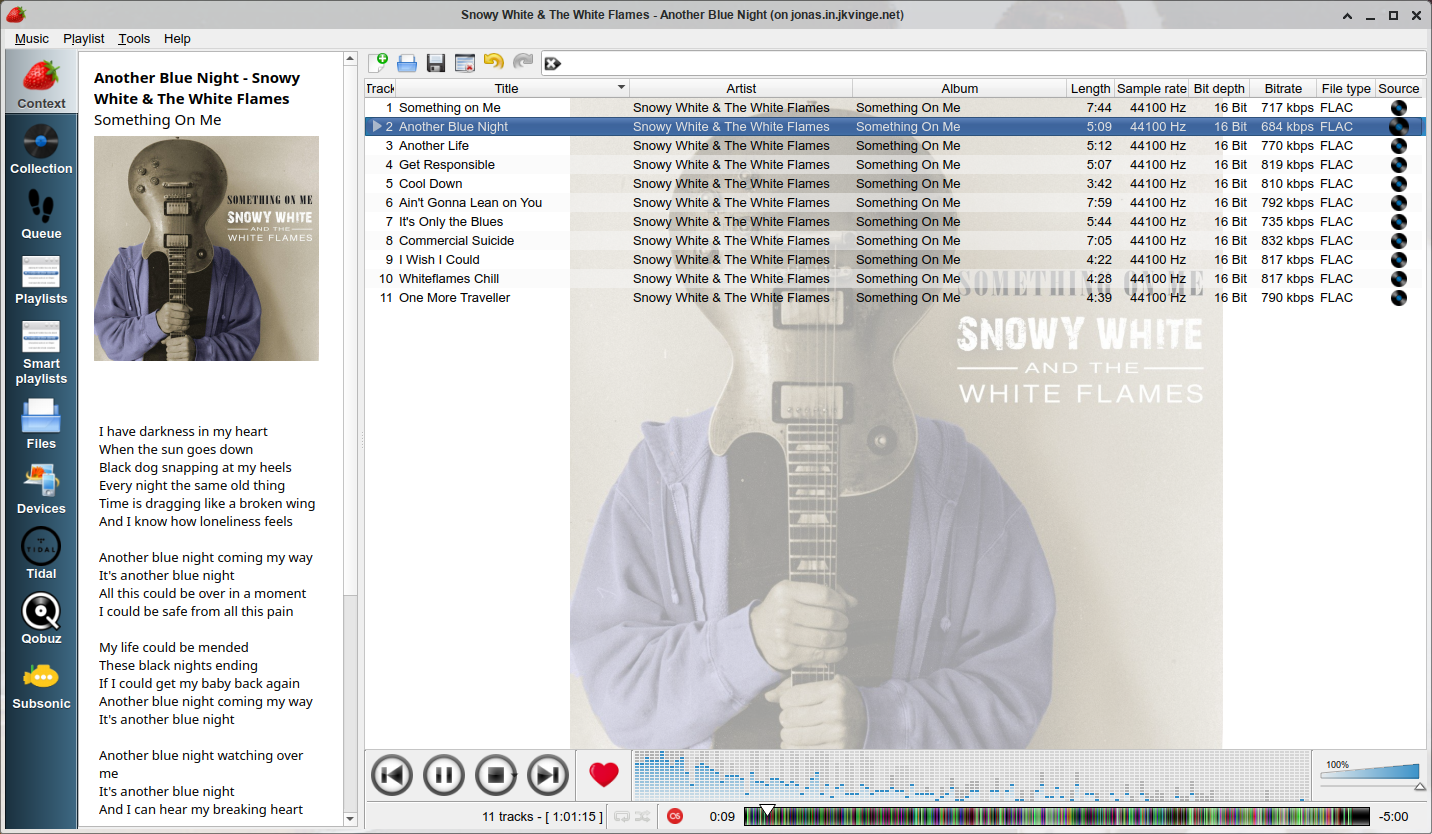
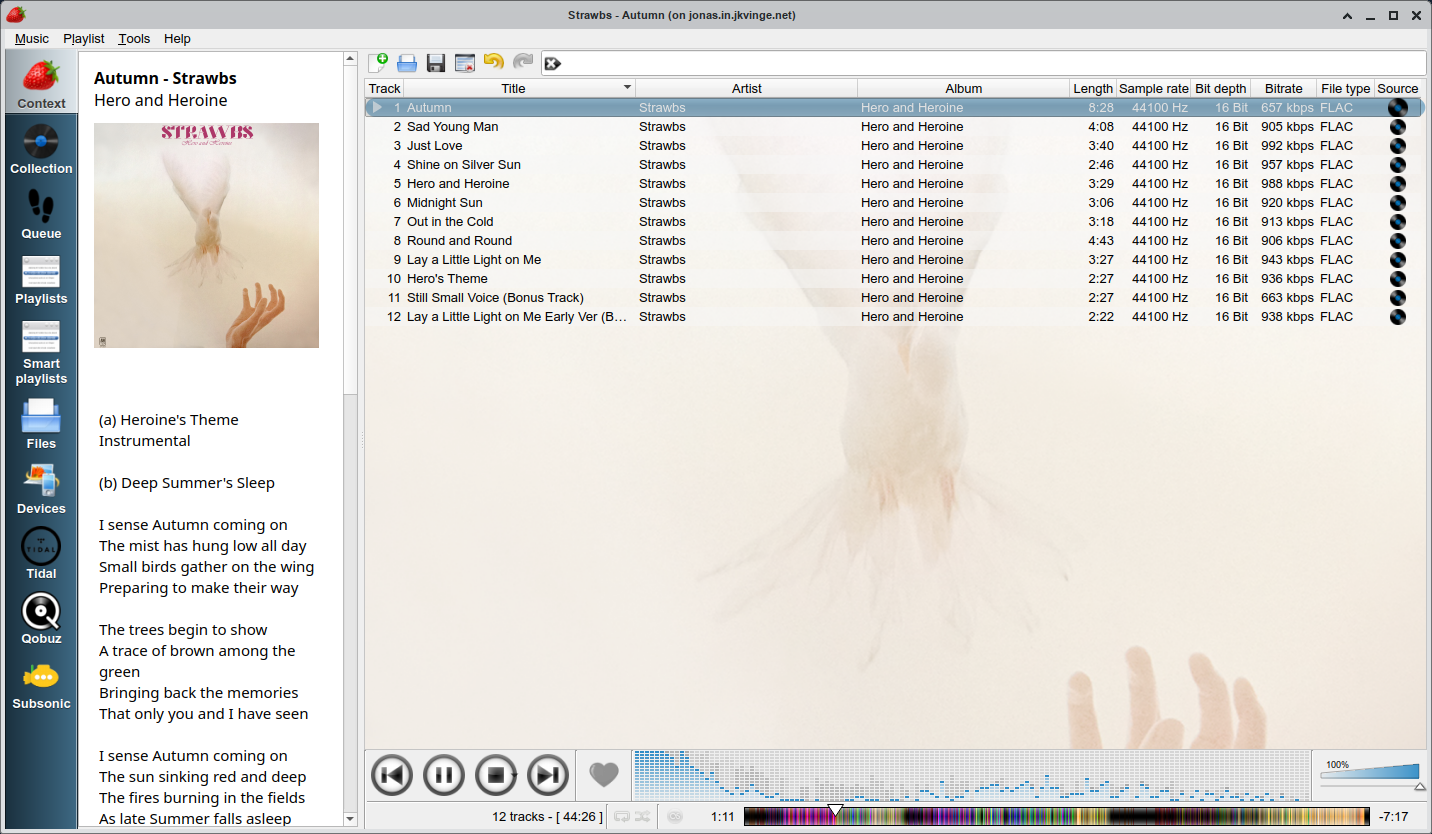
Main player window showing song playing with lyrics.

Main player window showing song playing with lyrics.

Fullscreen player window.

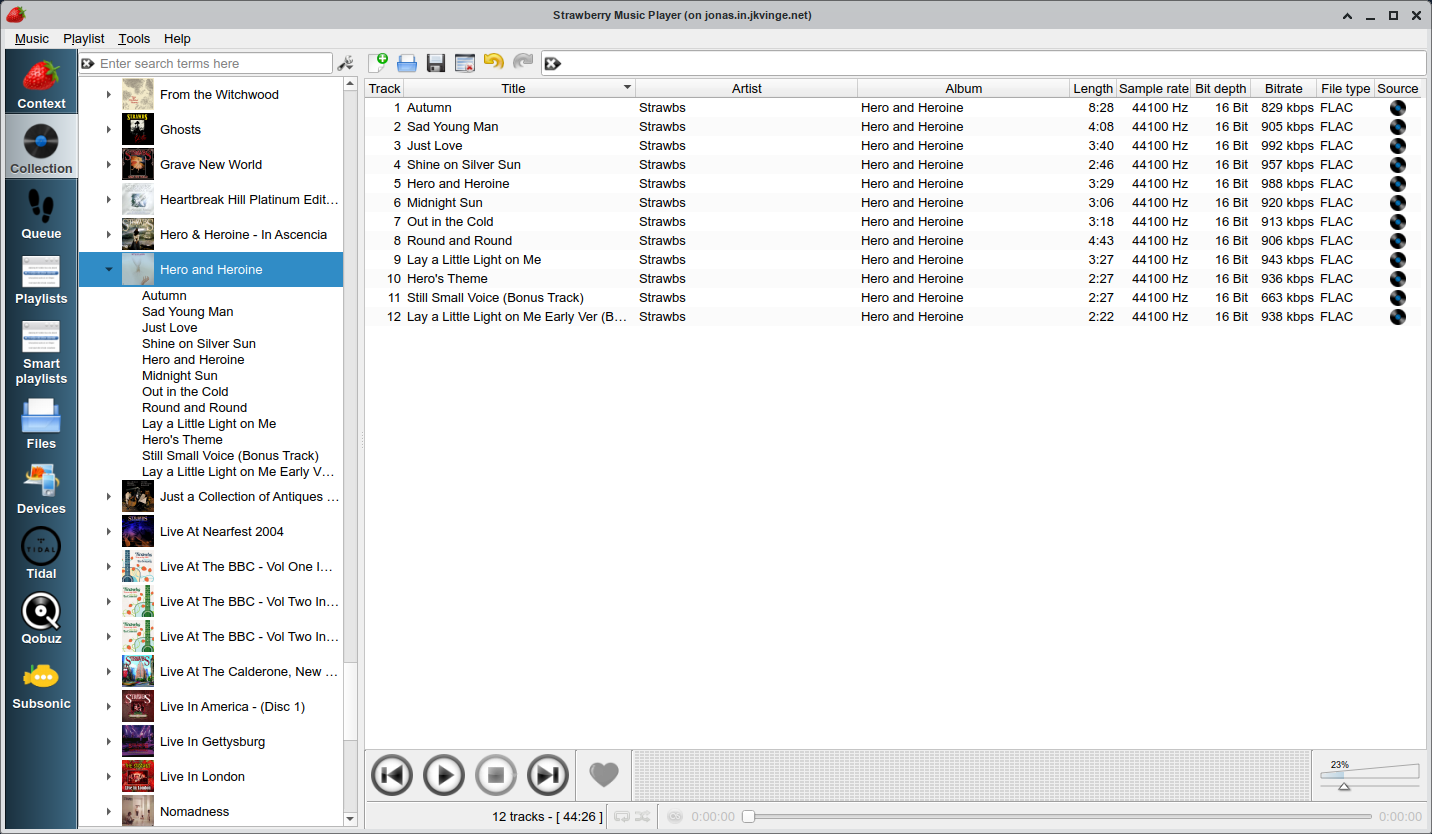
Collection view.

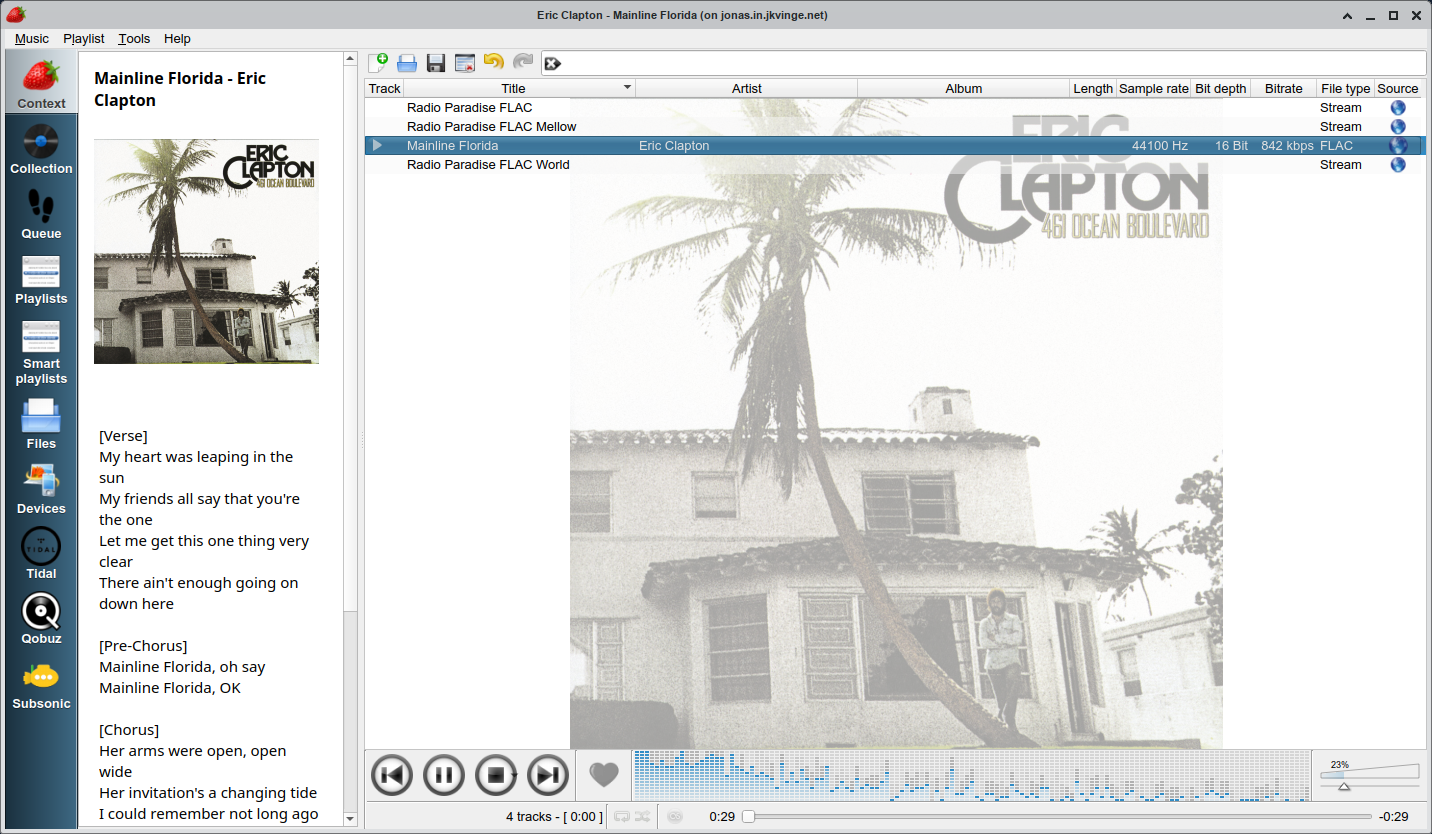
Streaming from Radio Paradise.

Album Cover manager, easily get covers for all of your albums.

Manual cover search.

However, the vast majority of successful bypasses are not because KeyAuth itself is weak. They are because —skipping obfuscation, failing to add HWID lock, or validating the license only once per session.

Anti-debugging techniques (checking for IsDebuggerPresent in Windows, timing checks, int3 breakpoint detection) and code integrity checks.

By taking proactive steps to secure your applications, you can mitigate the risks associated with KeyAuth bypass attempts and ensure a safer digital environment for your users.

To counter these methods, KeyAuth and similar systems offer "deep" integration features that move logic away from the vulnerable client side:

KeyAuth functions by verifying a user’s license key against a cloud-based server. When a program starts, it sends the key and hardware identifiers (HWID) to the KeyAuth API. If the server validates the data, it sends back an "encrypted" session response, allowing the software to run.

If there are security vulnerabilities in the KeyAuth system or the software using it, these can be exploited to bypass authentication. This could involve manipulating network traffic, exploiting weak encryption, or using leaked or weak keys.